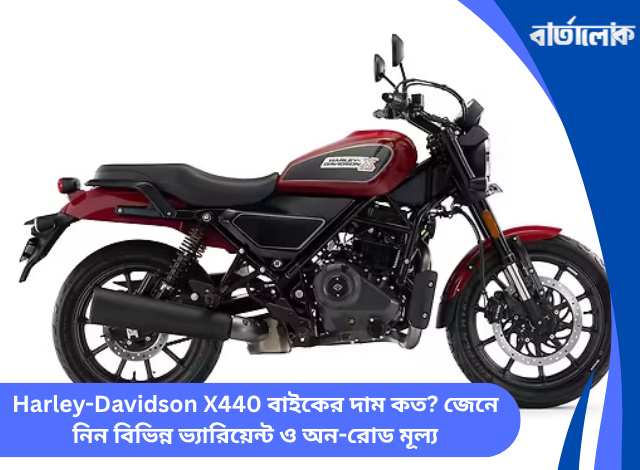
Harley-Davidson X440 বাইকের দাম কত? জেনে নিন বিভিন্ন ভ্যারিয়েন্ট...
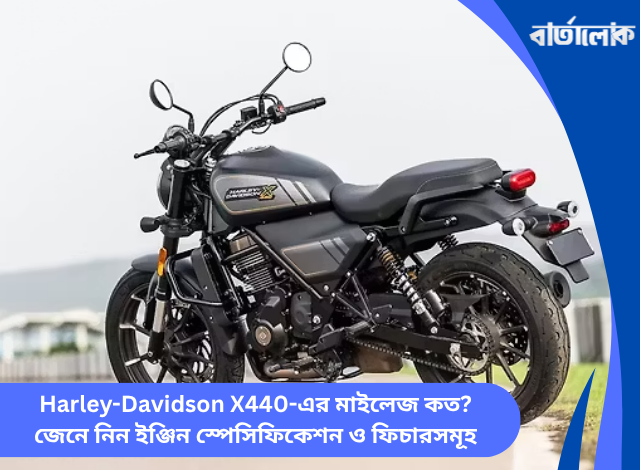
Harley-Davidson X440-এর মাইলেজ কত? জেনে নিন ইঞ্জিন স্পেসিফিকেশন ও...
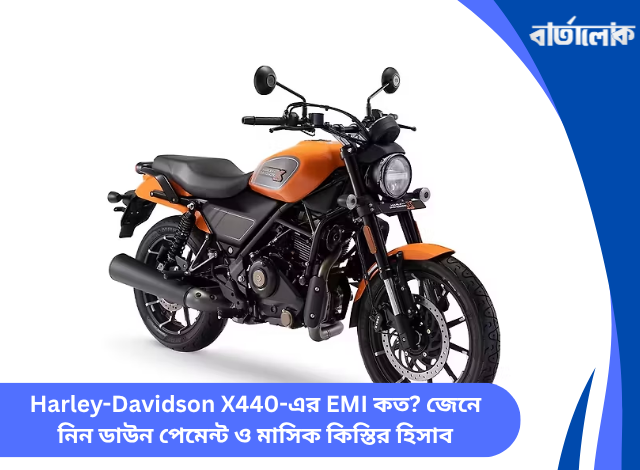
Harley-Davidson X440-এর EMI কত? জেনে নিন ডাউন পেমেন্ট ও...
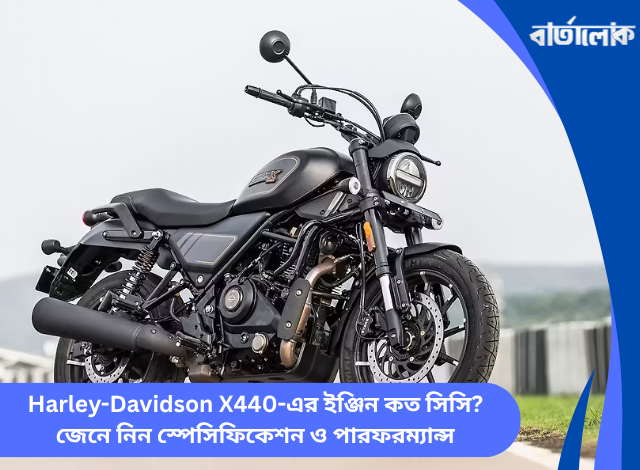
Harley-Davidson X440-এর ইঞ্জিন কত সিসি? জেনে নিন স্পেসিফিকেশন ও...
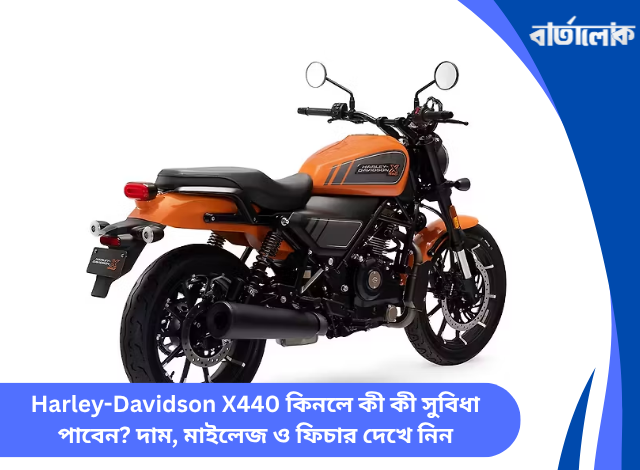
Harley-Davidson X440 কিনলে কী কী সুবিধা পাবেন? দাম, মাইলেজ...



PIN Code Finder & Post Office Directory India
Search 165,615 post offices & 19,586 unique PIN codes across all Indian states
Search Results
Frequently Asked Questions About PIN Codes
Everything you need to know about India's Postal Index Number (PIN) system
A PIN code (Postal Index Number) is a 6-digit numeric code used by India Post to uniquely identify post offices and their delivery areas across the country. It was introduced on August 15, 1972 to simplify mail sorting and delivery, eliminating confusion from similarly named places in different states.
An Indian PIN code has exactly 6 digits. The first digit identifies the postal zone (1–9), the second identifies the sub-zone, the third identifies the sorting district, and the last three digits identify the specific post office. For example, 110001 is the PIN for New Delhi's main post office.
Both serve the same purpose — identifying a postal delivery area. India uses "PIN code" (Postal Index Number), while the USA uses "ZIP code" (Zone Improvement Plan). Canada uses "Postal Code", the UK uses "Postcode", and most other countries use "Postal Code". All are functionally equivalent geographic delivery identifiers.
Rural areas in India share the PIN code of the nearest delivery post office (usually a Sub Post Office or Head Post Office). To find your village's PIN code, search for your village name or the nearest town above. Branch Post Offices in villages share the PIN of their parent Sub Post Office.
A Head Post Office (HO) is the top-level post office for a district or major city. It manages all Sub Post Offices (SO) and Branch Post Offices (BO) in its area. HOs offer a full range of services including speed post, registered mail, money orders, savings accounts, and passport services. There is typically one HO per district.
A Non-Delivery post office handles counter services only — such as savings accounts, postal orders, and stamps — but does NOT make door-to-door mail deliveries. Mail addressed to a Non-Delivery office's area is delivered by the nearest Delivery post office. Most Branch Post Offices in villages are Delivery offices.
The PIN code system was introduced on August 15, 1972 (India's 25th Independence Day) by Shriram Bhikaji Velankar, who was then Additional Secretary in the Ministry of Communications. The system originally divided India into 8 regions with zones 1–8; Zone 9 for Army Postal Service was added later.
PIN codes starting with 110 belong to Delhi. The first digit "1" means Zone 1 (northern India), the second "1" indicates the Delhi sub-zone, and the third "0" identifies the Delhi sorting district. The last three digits (like 001, 002, etc.) identify the specific post office. 110001 is Connaught Place HO, 110002 is Delhi Secretariat, and so on.
Yes. Multiple localities, areas, and villages served by the same post office share a single PIN code. For example, if a Sub Post Office serves 10 surrounding villages, all those villages use that office's PIN code for postal purposes. Similarly, large apartments or campuses sometimes have their own unique PIN codes.
PIN codes starting with 9 (900000 series) are reserved for the Army Postal Service (APS), which handles mail for Indian Army personnel, military cantonments, and defence establishments. These are operational post offices within the military system and are not part of the civilian postal network.
Use the search on this page to enter the PIN code. If it's valid and active, you'll see the post offices associated with that PIN code along with their district and state. You can also cross-check on the India Post official website. Always verify PIN codes before sending important mail or filling official documents.